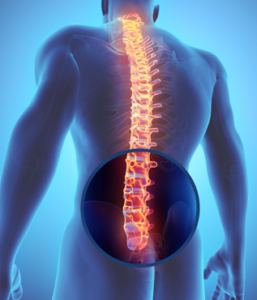
When chronic pain begins to interfere with your daily life, the prospect of “going under the knife” can be daunting. For years, patients viewed surgery as the final—and often only—solution to persistent back, neck, or joint pain. However, the rise of interventional pain management has changed that trajectory, offering a sophisticated “bridge” between physical therapy and major surgery.
What is Interventional Pain Management? Unlike traditional surgery, which often involves significant incisions and structural changes to the body, interventional treatments are minimally invasive. Using real-time imaging like fluoroscopy (X-ray) or ultrasound, providers can deliver medication or treatments directly to the site of the pain—whether it’s a specific nerve root, a facet joint, or a herniated disc.
Key Differences to Consider:
-
Recovery: Surgical recovery can take weeks or months. Interventional procedures are typically outpatient, with most patients returning to normal activity within 24 to 48 hours.
-
Anesthesia: Surgery usually requires general anesthesia. Most interventional procedures require only local numbing or light sedation, reducing systemic risk.
-
Outcome Goals: Surgery is often structural (fixing a physical break or fusion). Interventional care is functional—aiming to shut off pain signals and reduce inflammation to allow the body to heal and move again.
Choosing the Right Path Every patient’s journey is unique. While some conditions—such as severe spinal instability or certain neurological deficits—do require surgical intervention, many chronic pain cycles can be broken through a series of targeted interventional treatments. By reducing inflammation and “resetting” the pain response, we help our patients regain the mobility they need to avoid the operating room altogether.